How Your Property Affects EV Charger Installation
By WaterTight Plumbing & Electrics
Why the same charger plan does not suit every home
Two households can own the same electric vehicle and charger yet need quite different installation plans. The reason is the property around them: where the electricity supply enters, how the consumer unit is arranged, where the car is parked and what lies between those points.
Understanding those details helps you judge whether a suggested charger position is practical, rather than choosing a location based only on appearance. It also explains why a useful assessment considers the whole route from the electrical supply to the parked vehicle.
Start with where you park
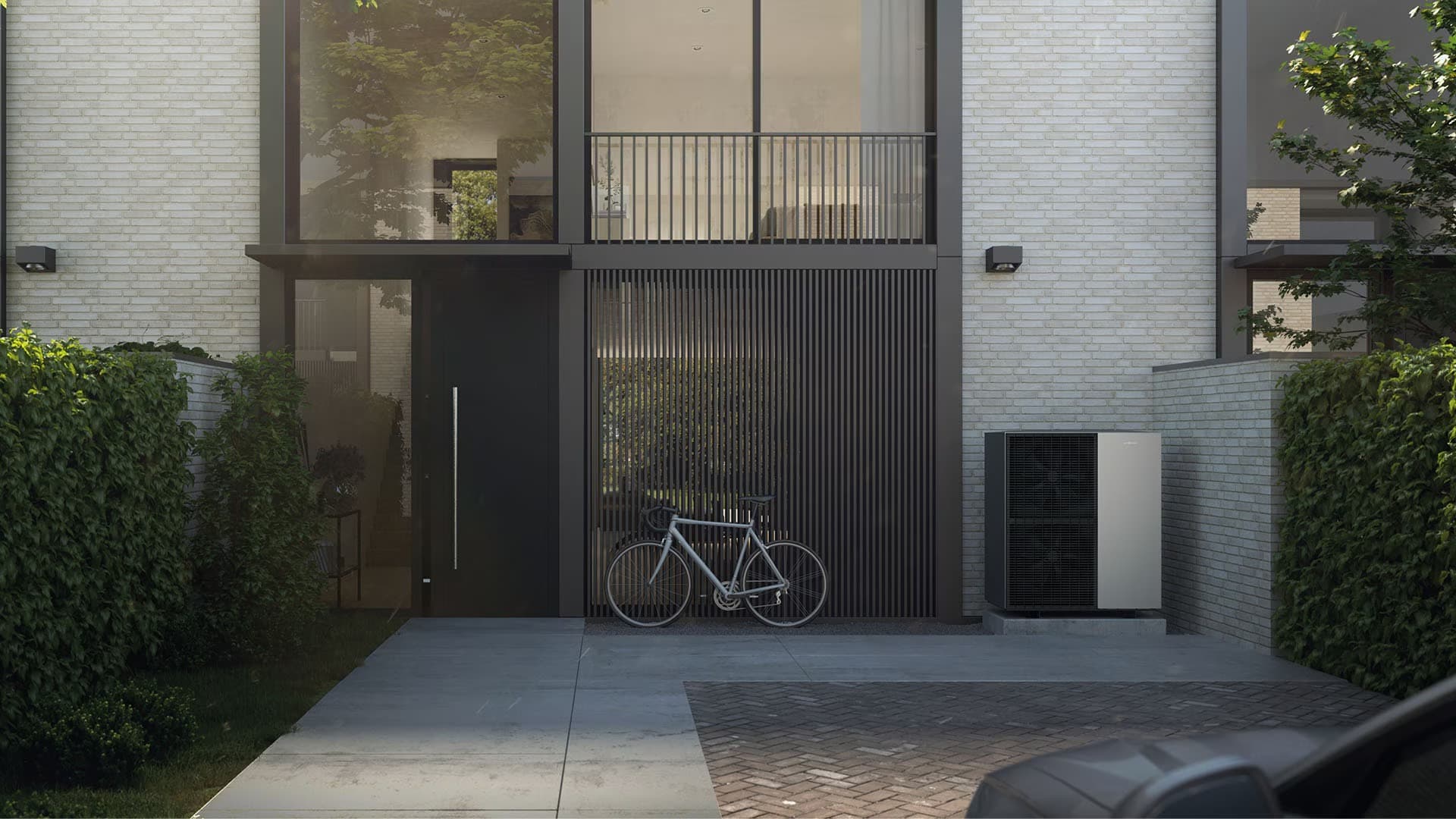
The first question is not simply where a charger could be fixed to a wall. It is where your car is normally parked and how the charging cable would reach it. A position that works for one vehicle may be awkward for another if the charge port is on a different side or the car needs to reverse into the space.
Think about the regular parking arrangement, not just an occasional spot. Could the cable reach without crossing a doorway, a path used by other people or a place where it could be driven over? Is there enough room to connect and disconnect comfortably? These everyday details matter because a technically possible location may prove inconvenient in daily use.
In a terrace around Coalville, for example, parking may be at the front while the consumer unit is deeper inside the house. A property with a garage or a driveway beside the house may offer a different route. Neither layout has an automatic answer: the route and how you use the space determine what is sensible.
The electrical layout can change the route
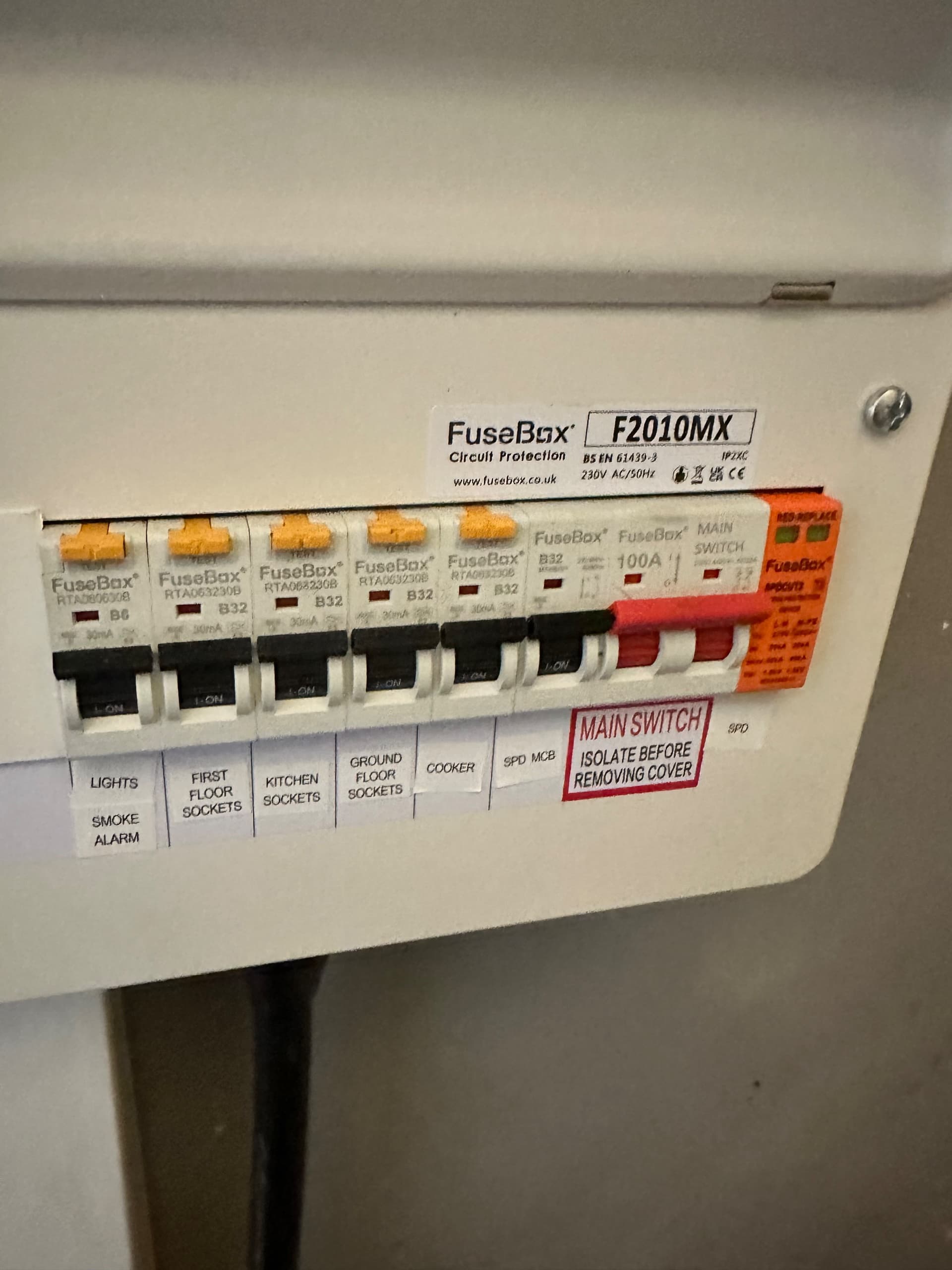
The location and condition of your fuse box matter because the charger needs to connect safely to your home's electrical system. If the consumer unit is close to the outside wall where you park, the cable route may be relatively direct. If it is on the opposite side of the house, or separated from the parking area by several rooms, the route may need more consideration.
The incoming electrical supply and the existing installation also affect what can be accommodated. A house’s age alone does not establish whether its supply is suitable. Properties that have been altered over time can have different electrical arrangements, so the visible age of the building is not a substitute for checking the installation.
This is one reason a photo of the consumer unit can be useful when discussing an installation, but it cannot answer every question. A picture cannot show all relevant conditions around the supply, the complete cable route or how the parking space is used. Those factors need to be considered together.
Construction and access matter
The material and layout of the building affect how a cable route can be planned. A clear outside wall near the parking space is different from a route that needs to pass through occupied rooms, around an extension or across a detached garage. Internal finishes, obstacles and access can all influence the practical route.
A detached garage introduces another consideration: it is separate from the main house, so the connection and route to it need to be considered as part of the overall installation. Likewise, an extension may mean the shortest-looking route is not the most accessible one. The aim is to identify a suitable route for that particular property, rather than assume every cable should follow the same path.
If you live in a flat, share a driveway or rely on parking outside the boundary of your home, ownership and permission become part of the decision too. A wall may be physically close to your parking space without being yours to use. Check who controls the space and any relevant building or management requirements before settling on a location.
What to note before discussing your options
You can make an initial conversation more useful by noting:
- Where the car is usually parked and which way it faces.
- Where the consumer unit is in relation to that space.
- Whether the route would pass through the house, an extension or a garage.
- Any shared access, boundary or permission questions.
- The vehicle’s charging-port position and any practical limits on where the cable can reach.
You do not need to open electrical equipment or try to inspect wiring. Leave checks inside the consumer unit and any electrical work to a qualified person. Your observations are useful for describing the property, not for deciding whether the supply or installation is suitable.
Making the choice for your home
A suitable charger position is the one that fits the electrical installation, the building and the way you park. A neat-looking location is not necessarily the most practical if it creates an awkward cable route. Equally, the shortest route is not automatically the right one if it conflicts with access, the building layout or how the space is used.
For a clearer overview of our EV Chargers, see the service page. Here at WaterTight Plumbing & Electrics, we can discuss the details of your property and what you need from the installation, so the options are considered in context rather than chosen from a generic layout.